
Next-Gen Field and Lab Particle Analysis: Portable and Precise
Choices are often limited when it comes to particle analysis. Your sample, and indeed, application, can reduce the scope of equipment variability. Ultimate precision is typically only achievable in the lab. Yet generalizability to real-life contexts often requires a natural setting. The trouble with field analysis is its inherent lack of control. It is generally conducted among larger samples and is thus more time-consuming than lab-based particle analysis.
Fuel and lubricant particle analysis with a view
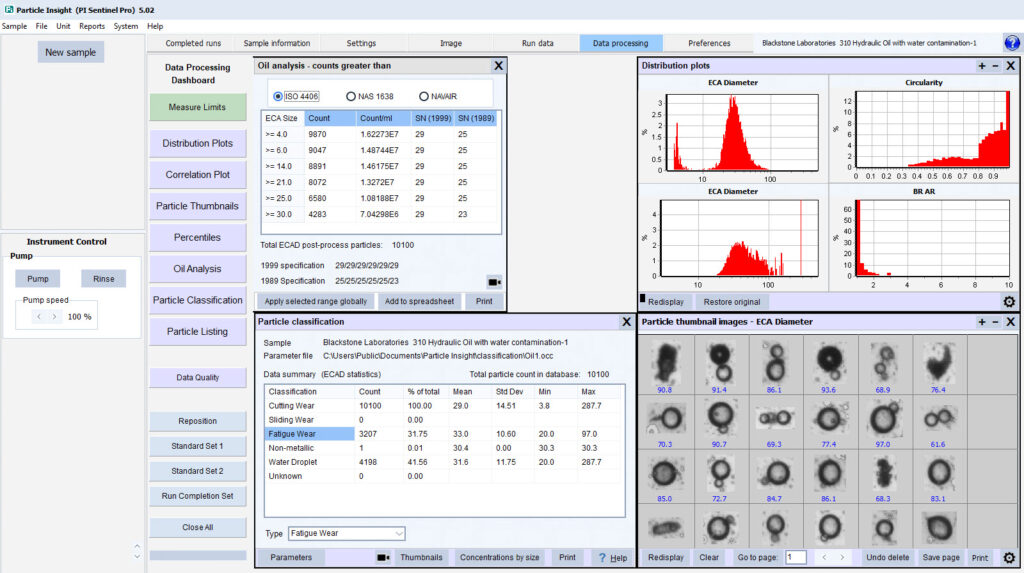
In the world of analyzing fuel and lubricants, the use of particle counters is widespread and essential. Numerous reporting standards exist to offer guidance on limits of contamination. If you are in this industry, then you are aware of these different contamination codes and how typical particle counters work for the measurement of contamination particles.
Elevating Drilling Efficiency with Advanced Particle Size and Shape Analysis
In the dynamic world of drilling operations, achieving peak efficiency is a complex and multifaceted challenge. A critical but often overlooked aspect in this realm is the role of advanced particle size and shape analysis. This innovative approach to particle analysis revolutionizes our understanding and optimization of materials in drilling processes.
Exploring Water Quality through Particle Concentration Measurements
Water quality hinges significantly on understanding and managing particle concentration within a given water supply. The Particle Insight Raptor Portable, a recently launched instrument, has emerged as a crucial tool in conducting meticulous particle concentration measurements. This article delves into the technicalities and applications of this instrument, shedding light on its capabilities in analyzing water quality, especially in wastewater samples.
Can Particle Imaging Unlock More Durable Sands for Hydraulic Fracturing?
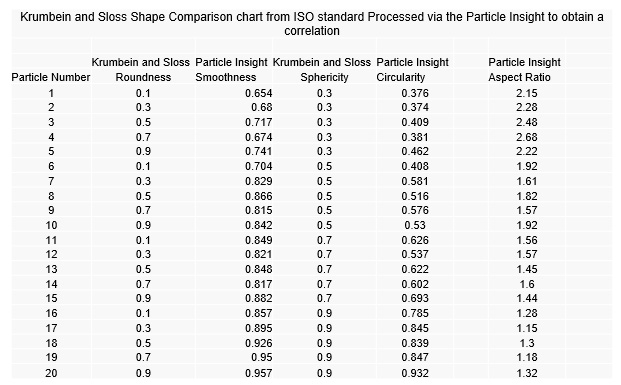
Hydraulic fracturing, or fracking, has revolutionized the energy industry, unlocking vast reserves of previously inaccessible natural gas and oil. This innovative technique involves injecting a high-pressure fluid into a wellbore to create small fractures in deep rock formations, allowing natural gas or oil to flow more freely. However, maintaining the integrity of these fractures is a significant challenge facing the industry.
Sieve Correlation Using Dynamic Image Analysis
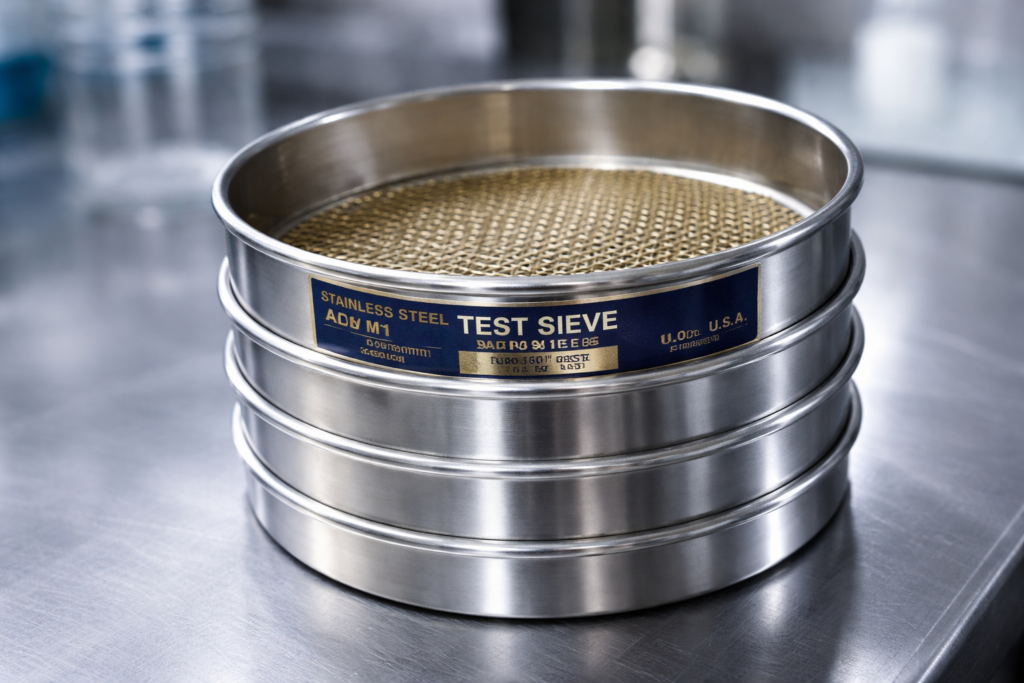
Sieve correlation has been a well-established method in particle sizing for many years, but the development of automated dynamic image analysis is beginning to revolutionize the process. In this blog post, we will discuss how automated dynamic image analysis is becoming a complementary method to sieve correlation and how it provides more accurate and detailed results.
Is Dynamic Image Analysis Essential for Proper Fiber Particle Analysis?
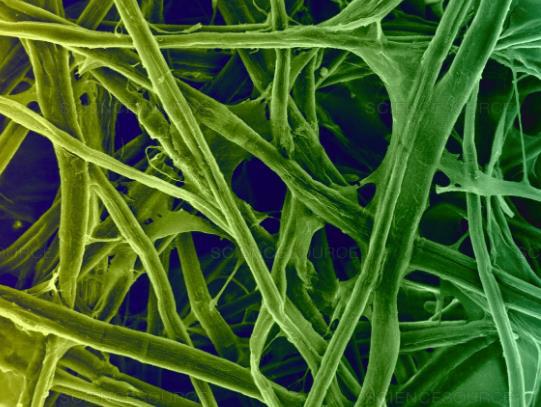
Dynamic image analysis (DIA) is a digital method of particle characterization that enables a researcher to identify the shape, size, and number of particles in a sample. Due to its high accuracy and reproducibility, DIA is a widely used image analysis method across most industries to support quality control, compliance, and research applications.
Shape Matters: The Importance of Image Analysis for Measurement of Rods and Spherical Particles
The behavior of raw materials can typically be predicted by properly studying a sample and identifying physical characteristics such as particle size. Features most commonly analyzed include distribution, size, and shape. Particle size measurement is a crucial process in various industries, as understanding specific particles and their properties can enhance productivity, reduce waste and ensure product quality.
How & Why You Should Use Dynamic Imaging to Identify Agglomerates
Particle size is a crucial property to measure when dealing with particulate raw materials. It underlies key manufacturing parameters like flowability, packing, and wetting–each of which can have a demonstrable impact on the end quality of a part or product.
How Dynamic Image Analysis Helps Screen Metal Powders for 3D Printing
Creating parts using metal powders requires exceptional high-quality raw materials. Many analytical tools are used to pre-screen metal powders to ensure proper powder flowability, prevent clogging, and ensure adequate particle deposition to guarantee well-made parts.